BMTPC, MoHUA Chairs 6th TAC Meeting of ALCBT Project | Advancing Low-Carbon Buildings in India
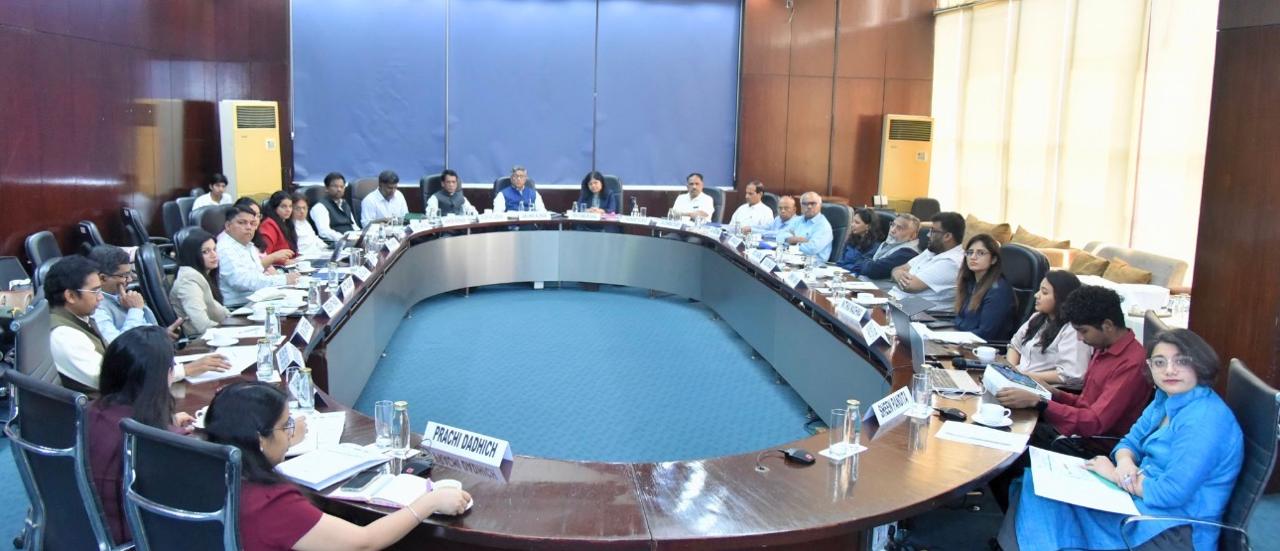
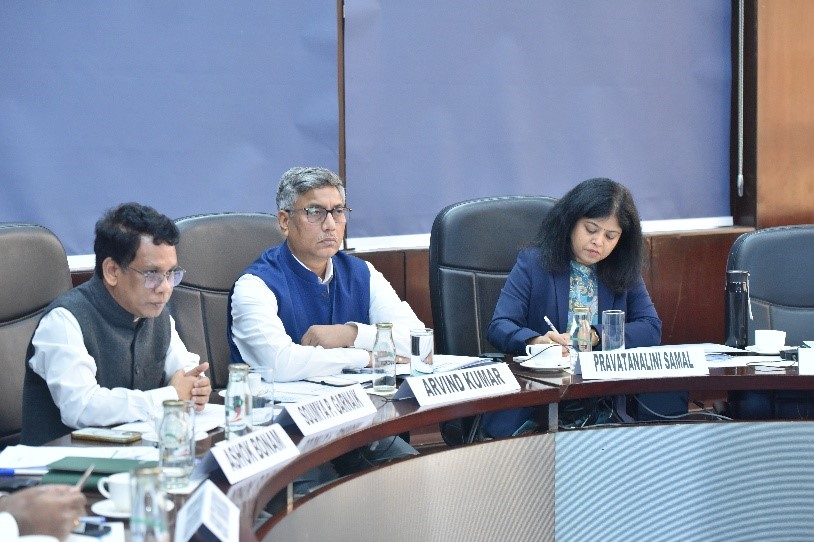
On April 10, 2026, Mr. Arvind Kumar, Executive Director, Building Materials and Technology Promotion Council (BMTPC), Ministry of Housing and Urban Affairs(MoHUA), Government of India, chaired the Sixth Technical Advisory Committee (TAC) Meeting of the Asia Low Carbon Buildings Transition (ALCBT) Project in New Delhi, convened by GGGI India.
The meeting, co-chaired by Ms. Pravatanalini Samal, Director, Bureau of Energy Efficiency (BEE), was attended by 14 members. The session witnessed active participation from key stakeholders, including Mr. Soumya Garnaik, India Country Representative, GGGI; Ms. Julie Robles, Manager – ALCBT, GGGI; and Mr. Prashant Kumar, Chief General Manager, Energy Efficiency Services Limited (EESL), along with representatives from GGGI, EESL, HEAT GmbH, State Designated Agencies, and leading experts from the building sector.
 The Asia Low Carbon Buildings Transition (ALCBT) Project is a five-year initiative implemented by the Global Green Growth Institute (GGGI), in partnership with the ASEAN Centre for Energy (ACE), Energy Efficiency Services Limited (EESL) in India, and HEAT International GmbH. The project is supported by the Government of Germany through its Federal Ministry for the Environment, Climate Action, Nature Conservation and Nuclear Safety (BMUKN) under the International Climate Initiative (IKI).
In India, the project has made significant progress in laying a strong foundation for low-carbon buildings. A comprehensive building registry covering 1,687 buildings across Kerala, Haryana, and Uttar Pradesh has been developed, with 302 buildings already assessed using the Building Emission Assessment Tool (BEAT). Of these, 60 buildings have been identified for targeted cooling retrofits to enhance energy efficiency.
At the academic level, a detailed curriculum gap assessment has been completed, and four universities have been endorsed to integrate low-carbon building concepts into their programmes. In parallel, the project has developed multiple knowledge products and technical reports to support market transformation. These efforts are complemented by advancements in digital tools such as BEAT and ASEAN BUILT, along with strengthened policy frameworks and active stakeholder engagement across India and partner countries.
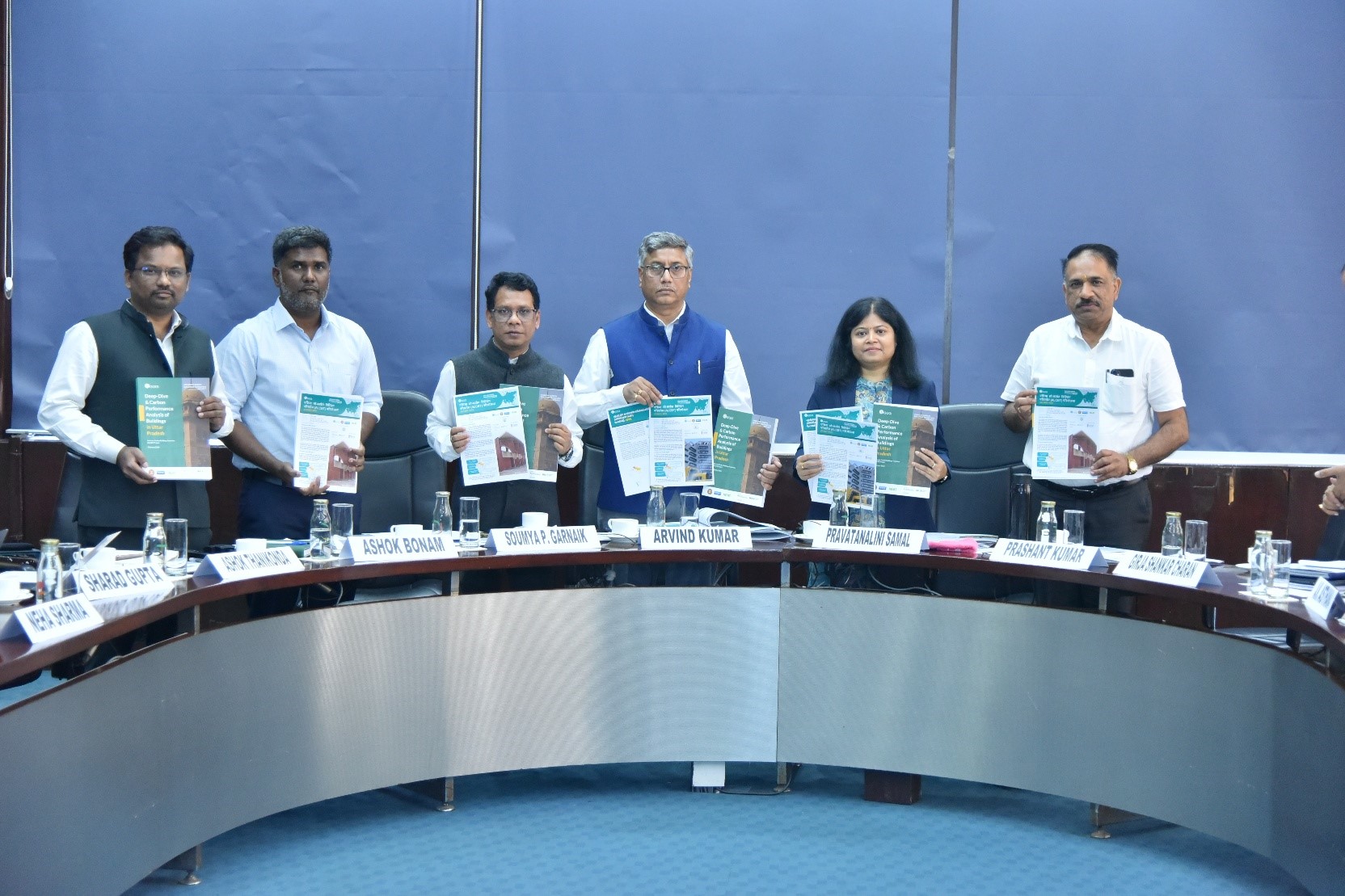 Building on this progress, the next phase of the project will focus on accelerating implementation and scaling impact. Key priorities include institutionalizing BEAT within state-level regulatory systems, launching the Green Finance Network (GFN) to mobilize investments, and developing a robust pipeline of bankable projects for low-carbon buildings, targeting significant investment mobilisation. The project will also promote innovative ESCO-led and financing models to enable scalable deployment, whileenhancing the visibility and replicability of low-carbon building solutions across the country.
The Technical Advisory Committee (TAC) emphasized the need to strengthen coordination with states, accelerate on-ground implementation, and align technical, financial, and institutional efforts to achieve meaningful outcomes, while reaffirming its commitment to supporting India’s transition toward low-carbon, energy-efficient, and climate-resilient buildings, and expressing its intent to continue close collaboration with all stakeholders in advancing this national priority.