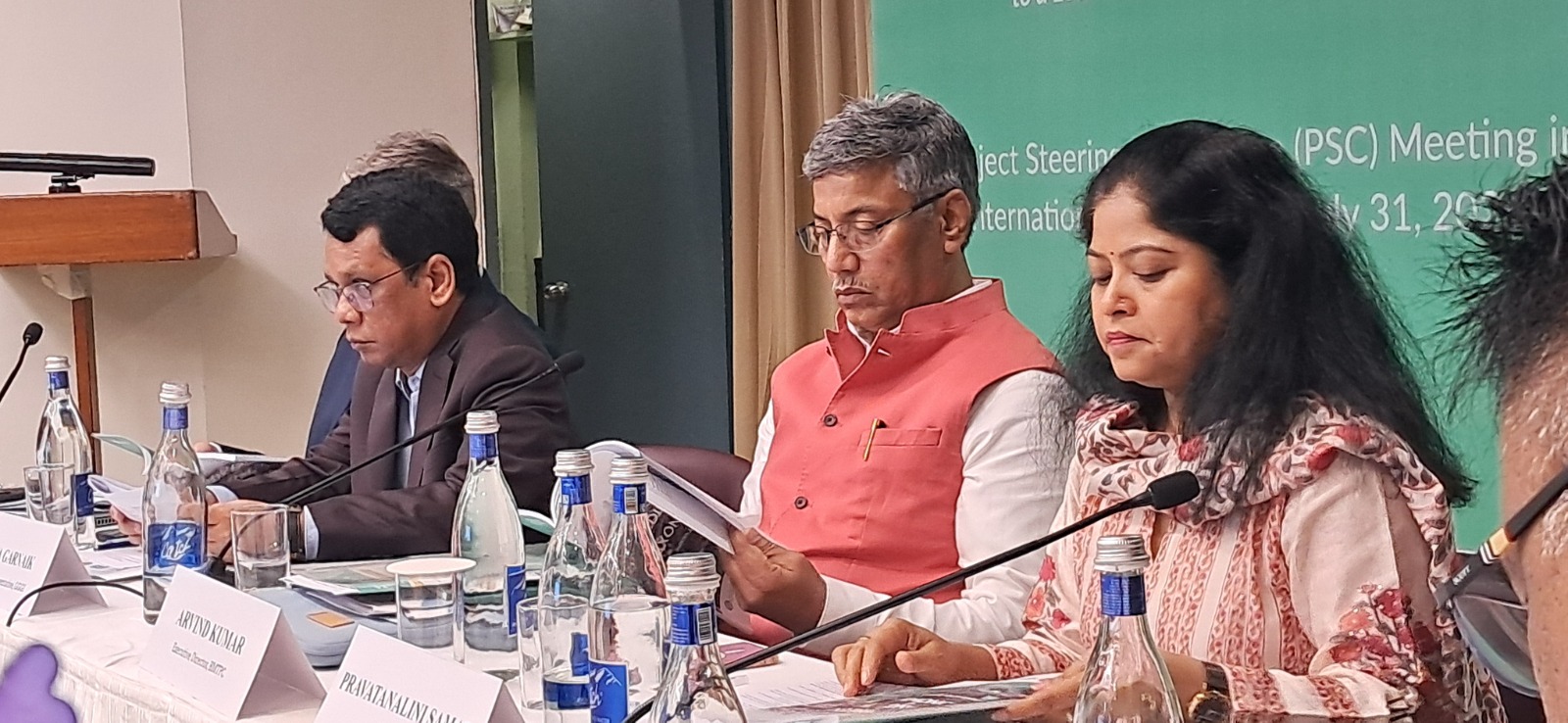
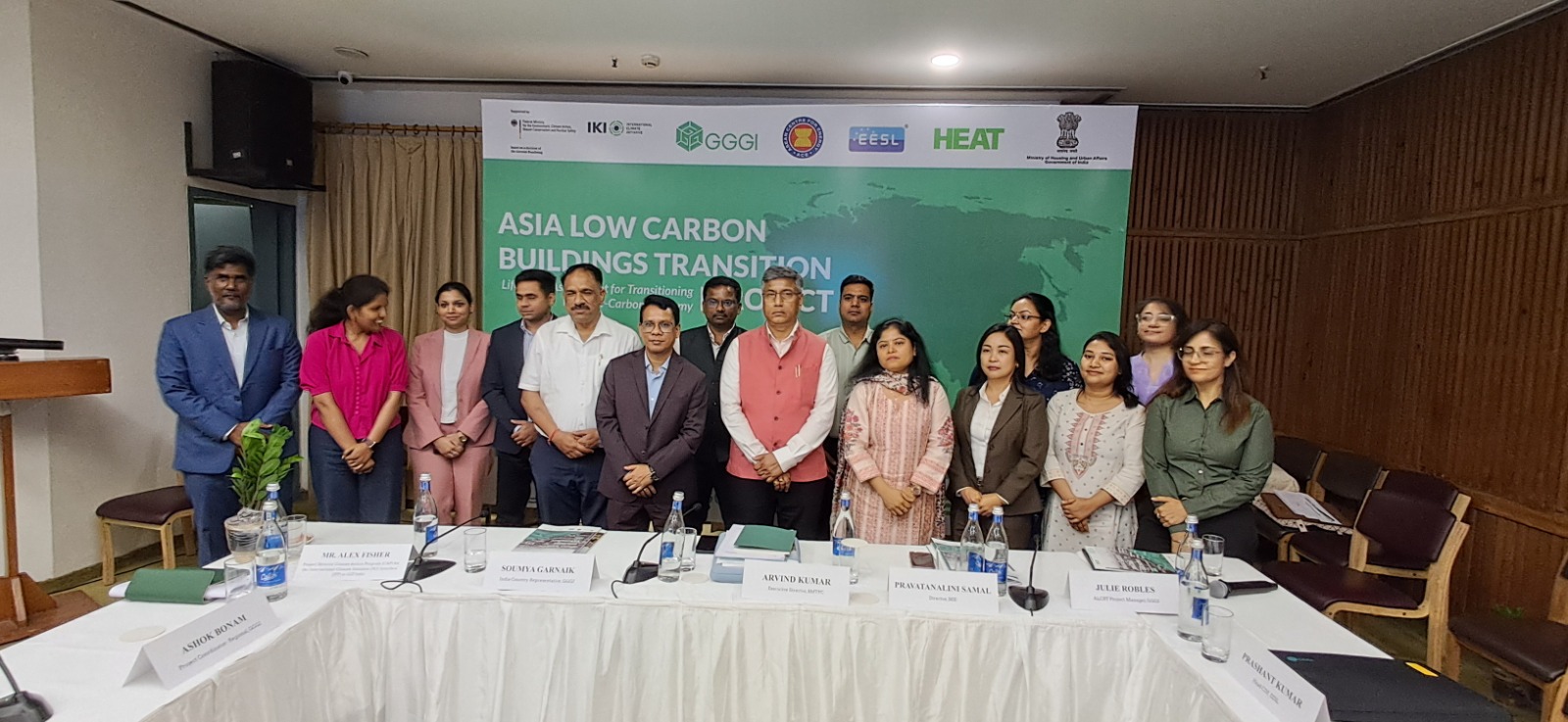
Shri Arvind Kumar, ED, BMTPC leads first PSC as Chairperson, charts course for India's low-carbon building transition
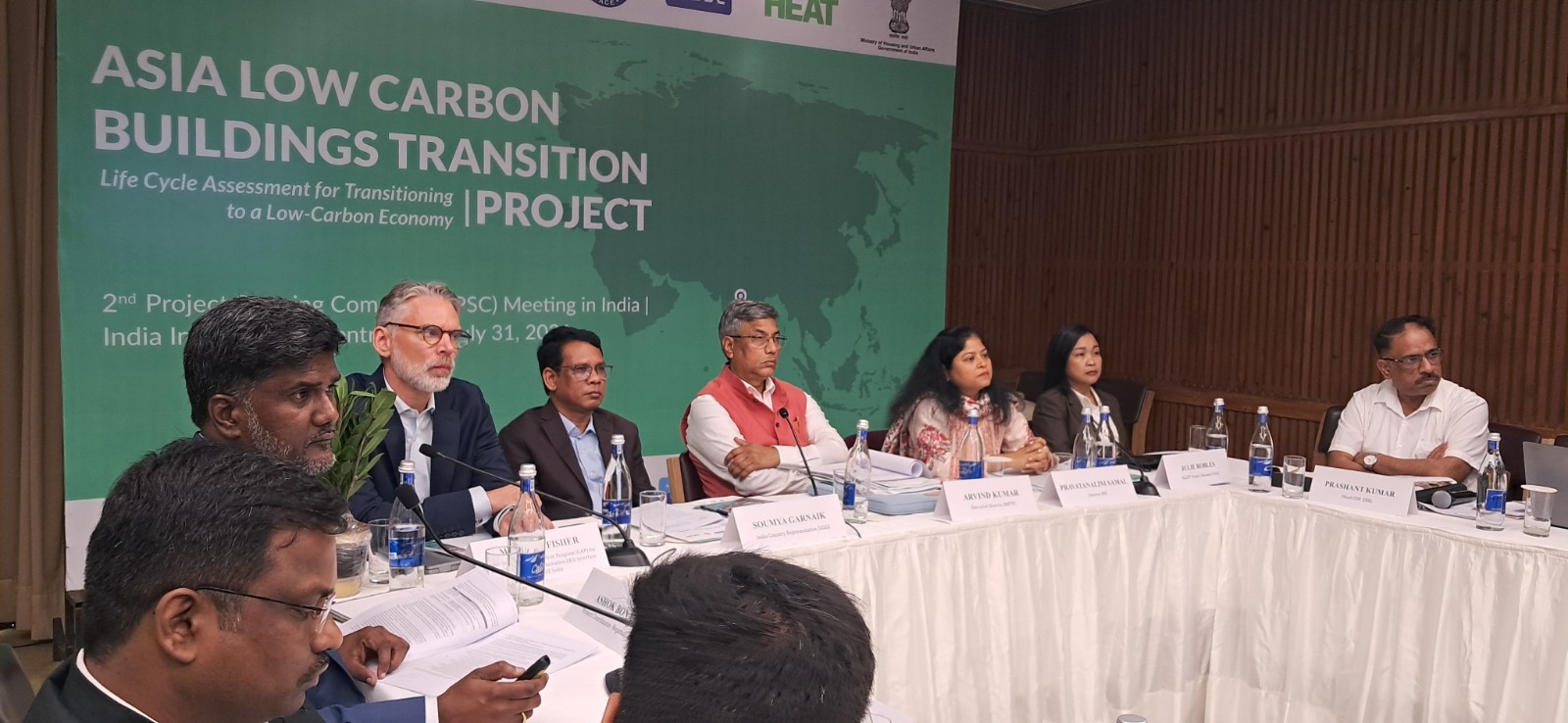
New Delhi, 31 July 2026 — The 2nd Project Steering Committee (PSC) meeting of the Asia Low Carbon Buildings Transition (ALCBT) Project was held today at the India International Centre, New Delhi, chaired for the first time by Shri Arvind Kumar, Executive Director, Building Materials & Technology Promotion Council (BMTPC), under the Ministry of Housing and Urban Affairs (MoHUA).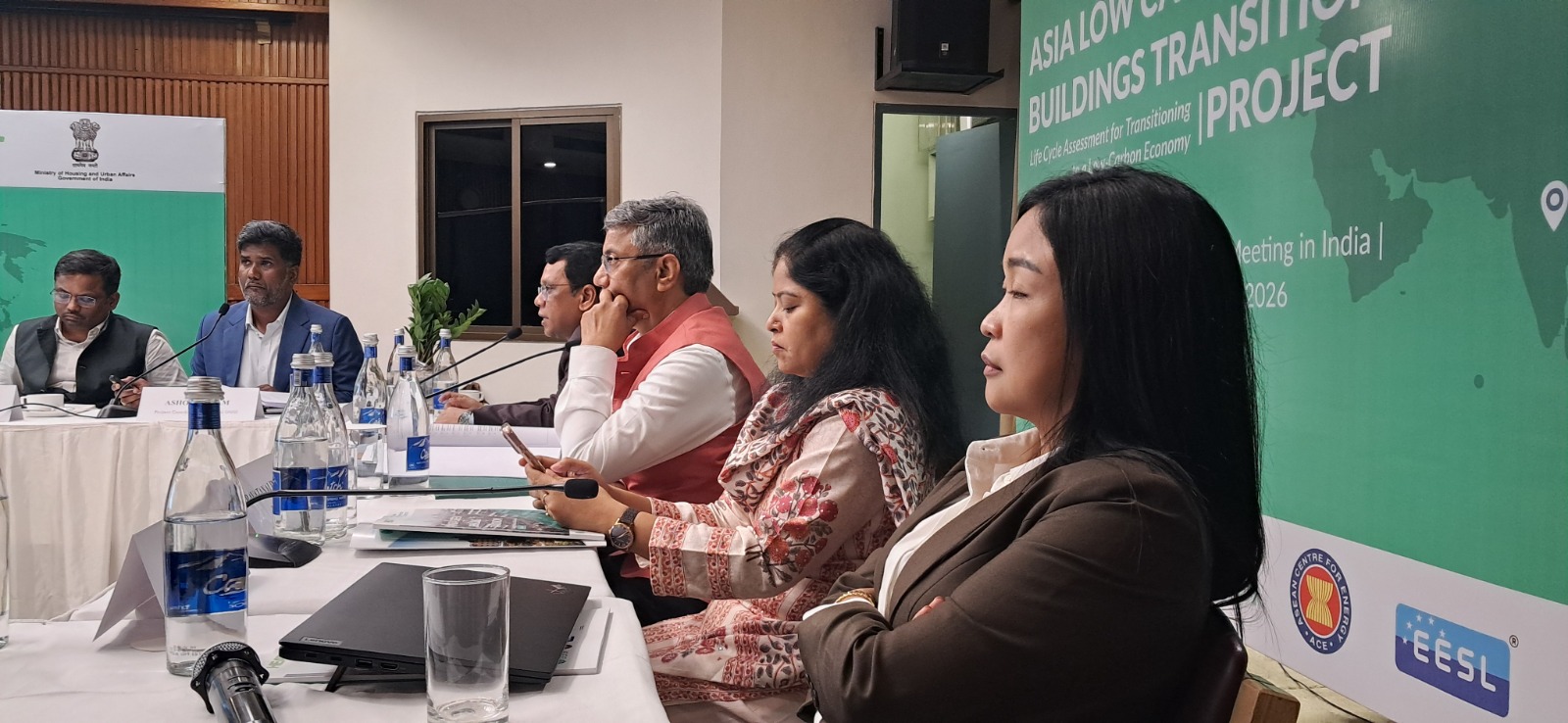
Shri Kumar was formally adopted as Chairperson of the ALCBT Project's Technical Assessment Committee (TAC) and Project Steering Committee at the 6th TAC meeting held on 10 April 2026.
The meeting opened with remarks from Mr. Garnaik, followed by special addresses from Mr. Alex of the German Embassy, Ms. Robles, Project Manager at the Global Green Growth Institute (GGGI), and Ms. Samal, Director at the Bureau of Energy Efficiency (BEE), ahead of the Chairperson's keynote address.
In his keynote, Shri Kumar framed the scale of the opportunity before the sector: seventy percent of the buildings that will stand in India by 2030 have not yet been built. "That is not a statistic to worry about," he said. "It is the largest opportunity we will ever have to get low-carbon construction right, from the first brick."
He described ALCBT's whole-life approach to building decarbonisation — bringing together operational energy efficiency, embodied carbon assessment, capacity building, and investment mobilisation — as directly aligned with the Government's PMAY-U and PMAY-U 2.0 missions, particularly its Technology and Innovation Sub-Mission, and with BMTPC's own Lighthouse Projects, which serve as live laboratories for low-carbon construction across the country.
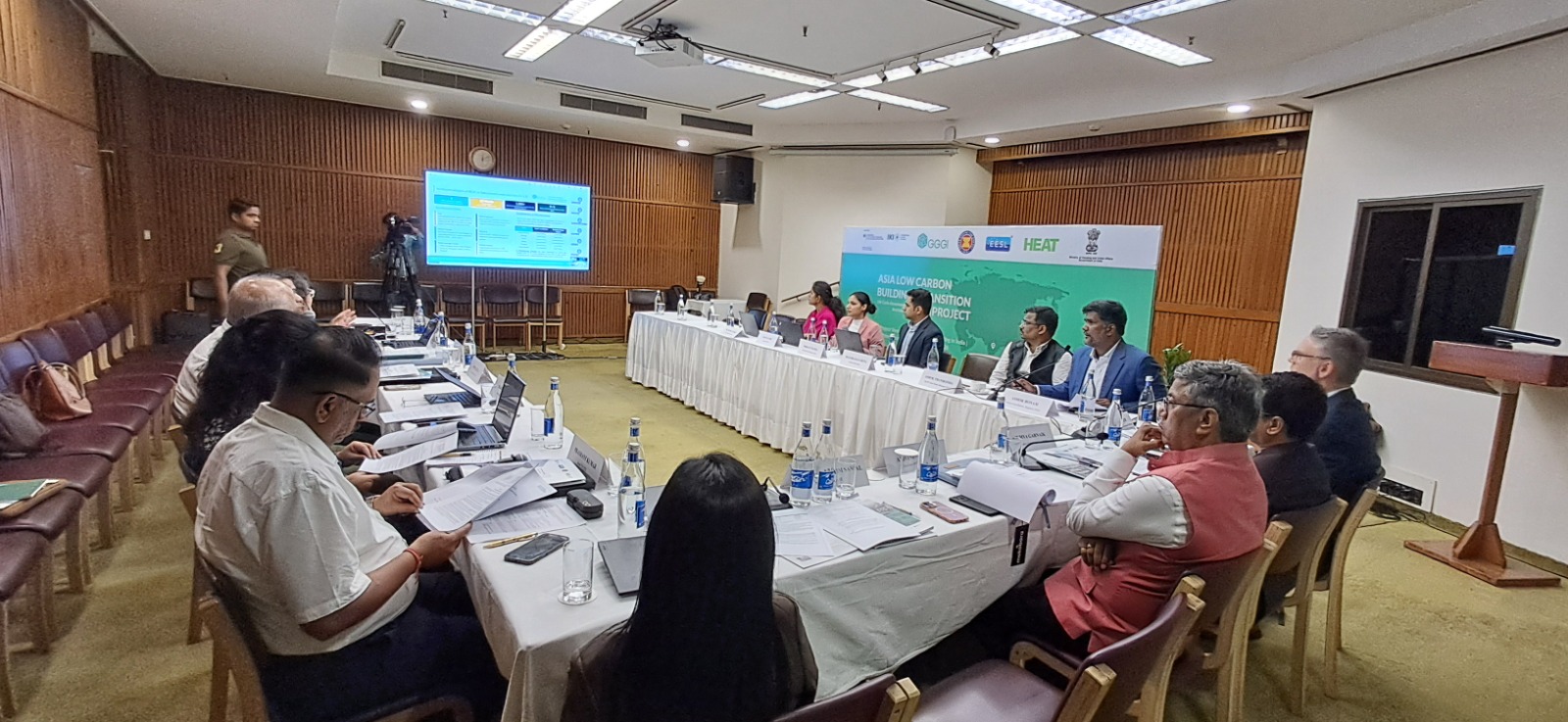
The Chairperson noted the project's progress since the first PSC meeting: the BEAT institutionalisation programme now spans six states, with project teams already active in four; thousands of professionals have been trained; and a pipeline of bankable retrofit projects is beginning to take shape. The meeting also featured the launch of two knowledge products — India Building Taxonomy: Policy Review and Way Forward, and Low-Carbon Buildings in India: Policy Review and Recommendations.
Among the strategic matters taken up by the Committee were the potential inclusion of BMTPC's Lighthouse Projects at Lucknow and Panchkula in the project's buildings pipeline, the hosting of the BEAT platform on an Indian government server, and a peer review process for the platform ahead of its wider national rollout.
Shri Kumar closed his address by acknowledging the project's partners, including GGGI, EESL, HEAT International, and consortium and state partners, as well as the Government of Germany's continued support through its International Climate Initiative (IKI), represented at the meeting by Mr. Alex, and the ongoing support of MoHUA and BEE.